
Rainy Vancouver? Korean Comfort Foods to Get You Through

Korean Comfort Foods to Get You Through Raincouver Eating Through Raincouver with Korean comfort foods Vancouver’s endless rain, often nicknamed “Raincouver,” becomes especially heavy once autumn turns into winter. Grey skies, damp streets, and early sunsets can make even locals feel worn down. But rainy days don’t have to be depressing with Korean comfort food. In Korea, cold and wet weather signals something comforting: hot street food, steaming soups, and seasonal dishes designed to warm both body and mood. Growing up in Korea, winter meant standing under an umbrella with a paper bag of something hot in your hands, steam rising into the cold air. That same sense of comfort exists in Vancouver today. Korean markets, bakeries, and restaurants across the city offer winter comfort foods that feel tailor-made for rainy Pacific Northwest days. This guide introduces five Korean comfort foods perfect for Raincouver, where to find them locally, and simple ways to enjoy them at home. 1. Bungeoppang (Korean Fish-Shaped Pastry) Bungeoppang is one of the most iconic Korean winter comfort snacks. Despite its fish shape, it contains no seafood. The pastry is cooked in a metal mold until the outside becomes crisp, while the inside stays soft and hot. The classic filling is sweet red bean paste, though custard and chocolate are now common. The real charm is the contrast: crunchy edges and a warm, chewy center that feels especially satisfying on a cold, wet day. Where to find the Korean comfort food in Vancouver: Recommended Spot: H-Mart Robson or Kim’s Korean Waffles & Pancakes(Burnaby) Tip: Eat them immediately! The steam inside the bag will make the crust soggy if you wait too long. 2. Gun-Goguma (Roasted Sweet Potatoes) Gun-goguma is Korean comfort food at its simplest. Korean sweet potatoes, with purple skin and yellow flesh, are naturally sweet and dense. When roasted, their sugars caramelize, creating a soft, honey-like interior. In Korea, the sight of steam rising from drum-roasted sweet potatoes is a winter staple. That same warmth translates perfectly to rainy Vancouver evenings. Where to find the Korean comfort food in Vancouver: Recommended Spot: Most H-Mart or Hannam Supermarket locations have a dedicated roasting oven near the produce or deli section during the winter months. How to eat like a local:Pair your sweet potato with a side of cold dongchimi.The contrast between the warm, sweet potato and the crisp, refreshing radish water kimchi creates a clean, balanced finish. 3. Hotteok (Sweet Syrup Pancakes) Hotteok is a street-food favorite filled with brown sugar, cinnamon, and chopped nuts. As the pancake cooks, the sugar melts into a thick syrup. The first bite is hot, sticky, and deeply comforting. Eating hotteok while waiting at a rainy bus stop feels almost poetic. It is messy, warming, and completely worth it. Where to find the Korean comfort foodin Vancouver: Recommended Spot: Kim’s Korean Waffles & Pancakes(Burnaby) 4. Gyeran-ppang (Egg Bread) Gyeran-ppang combines sweet and savory flavors in one handheld snack. Soft, lightly sweet bread is baked with a whole egg on top, creating a warm and filling bite. While harder to find ready-made in Vancouver, this snack is popular for its simplicity and protein content, making it ideal for cold mornings. Where to find the Korean comfort foodin Vancouver: Recommended Spot: Check out local Korean bakeries in the Lougheed (Coquitlam) area and Hannam Supermarket 5. Galbitang (Beef Short Rib Soup) When the cold settles deep, galbitang is the answer. This clear soup is made by slowly simmering beef short ribs with radish, garlic, and onion. The broth is light yet deeply nourishing. In Korean culture, galbitang is considered a healing food. On a rainy Vancouver night, it delivers warmth that lasts long after the bowl is empty. Where to find the Korean comfort food in Vancouver: Recommended Spot: WOORI The best combination with korean comfort foods Gun-goguma + Kimchi Roasted Korean sweet potatoes are naturally sweet and fluffy inside, making them the perfect match for cold, spicy kimchi.This classic pairing balances sweetness and heat, a combination many Koreans turn to on cold, rainy days. Simple, comforting, and surprisingly addictive. Hotteok + Vanilla Ice Cream Hotteok, a chewy Korean sweet pancake filled with brown sugar syrup, becomes even more indulgent when paired with vanilla ice cream.The contrast between hot and cold, crisp and creamy, creates a modern dessert twist that feels right at home on a rainy Vancouver afternoon. Gyeran-ppang with Ketchup Gyeran-ppang is a soft, slightly sweet egg bread enjoyed warm as a street snack or quick breakfast. Adding ketchup is a nostalgic choice for many Koreans, bringing a slightly tangy contrast to the fluffy bread and egg. Other toppings are optional and depend on personal taste. Galbitang + Mandu Galbitang is a clear, nourishing beef short rib soup simmered for hours until deeply flavorful.Paired with mandu dumplings, it becomes a complete comfort meal—light yet filling, and especially satisfying on cold, rainy days. Conclusion Raincouver doesn’t have to feel gloomy. Korean comfort foods are designed to match cold, wet seasons with warmth and care. Whether you grab a sweet snack from a local market or simmer soup at home, these dishes turn rainy Vancouver days into something cozy and memorable. Ready to Try It? Korean comfort food isn’t just about eating. It’s about slowing down, warming up, and finding comfort in simple, familiar flavors.Now that you know how these dishes are traditionally enjoyed and why they’re so comforting, you’re ready to experience Korean comfort food the way locals do especially on a cold, rainy Vancouver day. Learn How to Enjoy Korean BBQ Find Galbitang Near You
Is Galbitang Healthy? 5 Health Benefits You Need to Know
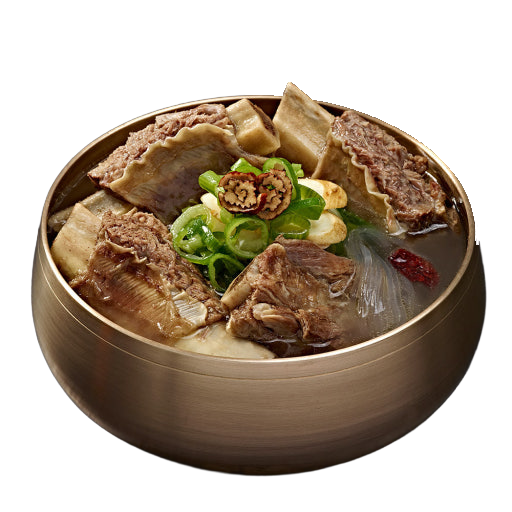
5 Health Benefits when you have a Galbitang Introduction Koreans have a soup for every occasion and galbitang (Korean beef short rib soup) is one of the most beloved. This clear, aromatic broth simmered for hours with premium beef short ribs, Korean radish (mu), garlic, green onions, and glass noodles is more than comfort food. In Korean tradition, it’s served for birthdays, as a summer restorative dish, or during recovery from illness believed to replenish energy and nourish the body deeply. What sets galbitang apart is its clean, mild flavor and nutrient-dense profile. No heavy spices or creams; just pure, slow-extracted goodness from bones and simple ingredients. In Vancouver, where rainy, damp winters can leave you feeling chilled and drained, a steaming bowl of galbitang is the ultimate reset. It warms you from the inside out while delivering real health benefits backed by nutritional science. Here are five key health advantages of galbitang, plus tips on enjoying it at home or at WOORI. 1. Boosts Immune System Support Bone broth-based soups like galbitang shine for immunity. Hours of simmering release zinc, iron, amino acids (glycine, proline), and collagen from beef bonesnutrients essential for immune cell function and gut health (your body’s first defense line). Garlic and green onions provide natural antibacterial and anti-inflammatory compounds, while radish adds vitamin C and detox enzymes. Research on bone broth shows it may reduce inflammation and support recovery during colds or stress. Perfect for Vancouver’s wet season when immunity dips! How Bone Broth Supports Immunity The foundation of galbitang’s immune benefits lies in its bone broth.During long, slow simmering, minerals and amino acids such as zinc, iron, glycine, and proline are gently released from beef bones into the broth. These nutrients support immune cell function and help the body respond to stress and fatigue. Unlike heavily seasoned soups, galbitang delivers nourishment without overwhelming the system. This makes it especially helpful during recovery periods or colder seasons, when the body needs steady support rather than stimulation. 2. Increases Energy and Reduces Fatigue Feeling sluggish from grey skies or long commutes? Galbitang offers sustained energy without crashes. Beef short ribs supply high-quality protein for muscle repair, absorbable iron to boost oxygen transport (combating fatigue), and B-vitamins for efficient energy conversion. Iron deficiency is common in active lifestyles or plant-heavy diets, leading to tiredness—galbitang’s natural heme iron helps naturally. It’s a clean refuel for busy Vancouver days. Why Galbitang Provides Clean, Steady Energy Galbitang offers energy without heaviness.Beef short ribs provide high-quality protein for muscle repair, along with heme iron that supports oxygen transport and helps reduce fatigue. B-vitamins in the meat further assist with efficient energy conversion throughout the day. Because the broth is clear and lightly seasoned, energy comes without the crash often associated with rich or sugary foods. For busy Vancouver days, it works as a clean refuel rather than a short boost. 3. Gentle on Digestion Galbitang is light and soothing, unlike rich or spicy soups. The skimmed broth is low-fat, with soft-cooked radish (aids fat digestion), tender meat, and noodles that are easy to process. In Korea, it’s a classic recovery food post-illness because it nourishes without overwhelming the stomach. Ideal for sensitive digestion or lighter meals. Why Clear Soups Are Easier to Digest Clear soups like galbitang are naturally easier on the digestive system.The broth is skimmed during cooking, keeping fat levels low, while ingredients such as soft-cooked radish and tender beef break down easily during digestion. This is why galbitang is traditionally served after illness or travel in Korea. It nourishes the body without irritation, making it a comfortable choice for sensitive digestion or lighter meals. 4. Promotes Bone and Joint Health The star nutrient: collagen turning into gelatin, plus calcium, magnesium, and glucosamine from bones. These support joint lubrication, bone density, and reduced inflammation—great for hikers, runners, or anyone feeling stiffness in damp Vancouver weather. Radish enhances collagen absorption too! Collagen, Gelatin, and Joint Support As galbitang simmers, collagen from beef bones gradually turns into gelatin.This process releases compounds that support joint lubrication, bone density, and connective tissue health. Minerals such as calcium and magnesium further strengthen the skeletal system. For people experiencing stiffness—especially in damp or cold climates—galbitang provides warmth and structural support from the inside out. 5. Authentic Galbitang at WOORI At WOORI in Metro Vancouver, we make galbitang traditionally: premium short ribs, fresh veggies, long simmer for clear depth—no MSG or shortcuts. It’s clean, home-like comfort that warms rainy days perfectly. When Galbitang Is the Best Choice Galbitang is ideal when the body needs warmth and balance.It’s commonly enjoyed after workouts, during recovery periods, or on days when energy feels low but heavy food isn’t appealing. In rainy Vancouver weather, it offers comfort without feeling indulgent. This versatility makes galbitang suitable for both active lifestyles and quiet recovery moments. Who Should Enjoy Galbitang? Active Vancouverites → joint support and recovery. Busy professionals → quick, sustained energy. Those fighting colds → gentle immune boost. Anyone craving warmth → on grey, rainy days. Simple Home Tips for Galbitang Use quality ribs, blanch first for clarity, simmer 2-3 hours with radish and aromatics. Add noodles last. Keep seasoning minimal—salt, pepper, green onions. Things to Keep in Mind Nutritious but calorie-dense from meat—enjoy moderately. Watch sodium; request low-salt versions. Conclusion Galbitang isn’t just delicious. It’s functional food for modern life, especially in rainy Vancouver. Visit WOORI for the real deal, or try at home. Stay warm and nourished! Explore Korean comfort foods Read customer reviews Check WOORI locations in Vancouver
How to Eat Korean BBQ: Complete Grilling & WrappingGuide
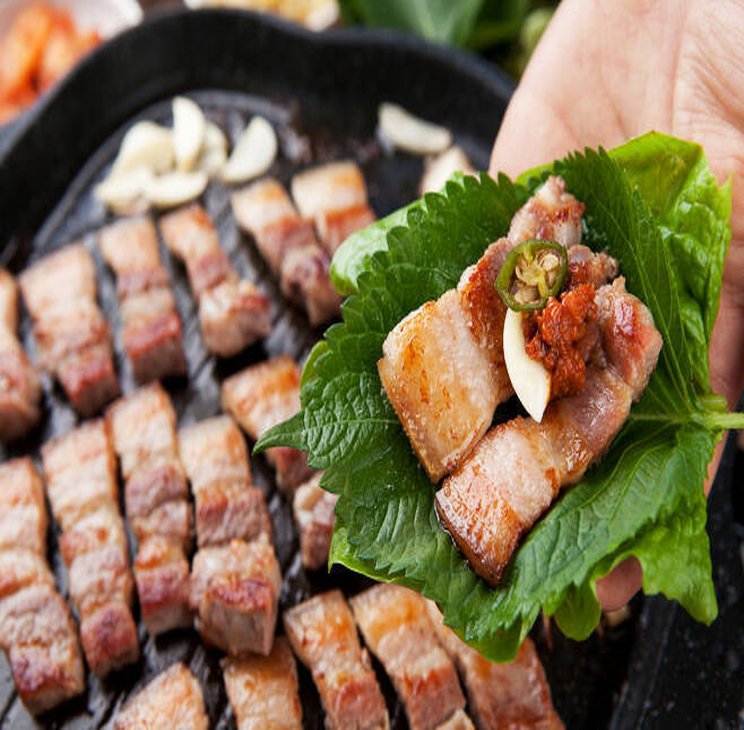
How to Eat Korean BBQ Korean BBQ is a meal deeply loved in Korea and one that has captured attention far beyond its borders. What began as a shared table tradition has become a global experience: the grill at the center, meat sizzling in real time, banchan filling the table, and everyone leaning in together. Whether you’re discovering K-BBQ for the first time or looking to cook it with confidence, this guide covers the essentials from choosing the right cuts and grilling them correctly to wrapping each bite the Korean way. What Is Korean BBQ? Korean BBQ (gogi-gui) simply means “grilled meat,” but the experience is much more than that.You pick your meats, cook them right at the table, share side dishes, wrap your meat in lettuce with sauces, and build each bite however you want. It’s interactive, social, and honestly… kind of addictive. How to Grill Meat the Korean Way Choose the favorite parts Most people think Korean BBQ is SSAM and a unique sauce, but it is not.The real secret is knowing how to grill. Here’s a simple system anyone can follow: 🥩 Beef Short ribs (galbi) Thin-sliced short ribs (LA galbi) Ribeye (deungsim) Brisket (chadolbagi) Chuck flap (salchisal) Sirloin (sirloin / chatae) 🐷Pork Pork belly (samgyeopsal) -korean loves Pork jowl (hangjeongsal) Pork neck (moksal) Pork ribs (dwaeji galbi) When to Flip the Meat Almost everyone flips too often. For Korean BBQ, follow this rule: Let the meat release on its own. 1. Check the grill temperature before placing the meat. Korean-style grilling starts with high, steady heat. If your pam is hot, it’s ready to grill it. Place the beef on a fully heated grill and let it sear without touching. Patience is needed to have perfect condition of beef, Flip when the underside turns lightly crisp and juices gently bead on the surface. The meat is ready to enjoy! The first bite is best enjoyed with nothing but a pinch of salt. Avoid the Most Common Mistake Do not flip the meat while the surface is still pale brown, and avoid pressing to keep the juices inside. Cutting the meat too early allows the juices to escape, resulting in a drier bite. How about pork? Next, let’s talk about how to grill pork — especially pork belly, called samgyeopsal, which is an all-time favorite among Koreans. If you read it, you can be master of grilling. It is not that much different from meat grilling. LET’S GO FOR IT!! 1. Choosing the pork belly Bone-in pork belly is considered a better and more flavorful cut.When ordering, choose pork belly with the bone attached for the best taste. 2. Preheating the grill Before placing the meat on the grill, make sure the pan or grill is fully heated.The ideal temperature for the Maillard reaction is around 175°C. If it feels hot when you hold your hand about 10 cm above the grill, it’s ready. 3. Flipping the first side Flip the pork belly when about 1 mm of the underside has cooked. If you’re unsure, wait until the bottom turns lightly golden brown. 4. Searing evenly Once the surface turns golden, flip and repeat on the other side.Lightly sear the top and bottom edges as well. 5. Cutting the meat When all four sides are evenly browned, cut the pork belly.You can slice it thin or thick depending on preference: Thin slices for a crisp texture Thick slices for a juicy texture 6. Finishing the cook Turn the pieces and grill until the inside is fully cooked through. 7. Time to enjoy Start by tasting the pork belly with just a pinch of salt, like beef, to enjoy its natural flavor. Then pair it with ssamjang and fresh vegetables if desired. How to Wrap a Proper Korean Ssam A ssam is a Korean lettuce wrap with ssamjang that completes a K-BBQ meal. The basic formula Take a lettuce leaf (or a perilla leaf). Add one piece of grilled meat. Add a small dab of ssamjang — never too much. Optional but recommended:a slice of garlic, green chili, or a bit of grilled kimchi(grilled kimchi pairs especially well with pork belly). Fold. Eat in one bite. Tip: Ssam is about balance Ssam is the contrast between fresh greens, rich meat, and bold condiments. It’s not meant to be a giant burrito — if you can’t close it easily, it’s too big!” FAQ — Beginner Questions Q1: Do I need to use my hands? Yes. Using your hands for ssam is completely normal and often preferred. Korean BBQ is casual, and wraps are meant to be eaten comfortably in one bite. Q2: Is there a “correct” combination? No. There’s no single right way to build a ssam. Korean BBQ encourages personal taste — adjust the balance of meat, greens, and condiments to what feels best for you. Q3:Are there additional tips? For contrast, many Koreans pair BBQ with cold naengmyeon or finish the meal with a warm stew like doenjang jjigae and a bowl of rice. This helps balance richness and round out the meal. Q4:Are the side dishes (Banchan) free to refill? Yes! One of the best parts of Korean BBQ is the “Banchan”—various side dishes like Kimchi, pickled vegetables, and salads that come with your meal. In most Korean restaurants in Vancouver, including WOORI, these are complimentary and refillable. They are designed to cleanse your palate between bites of rich, savory meat. (I’ll be sharing a more detailed guide on different types of Banchan in my next post, so stay tuned!) Korean BBQ Etiquette Shared Responsibility at the Korean BBQ Table Korean BBQ is less about strict rules and more about shared responsibility at the table. Because everyone eats from the same grill, cooking becomes a group effort rather than an individual task. When the grill is placed in front